
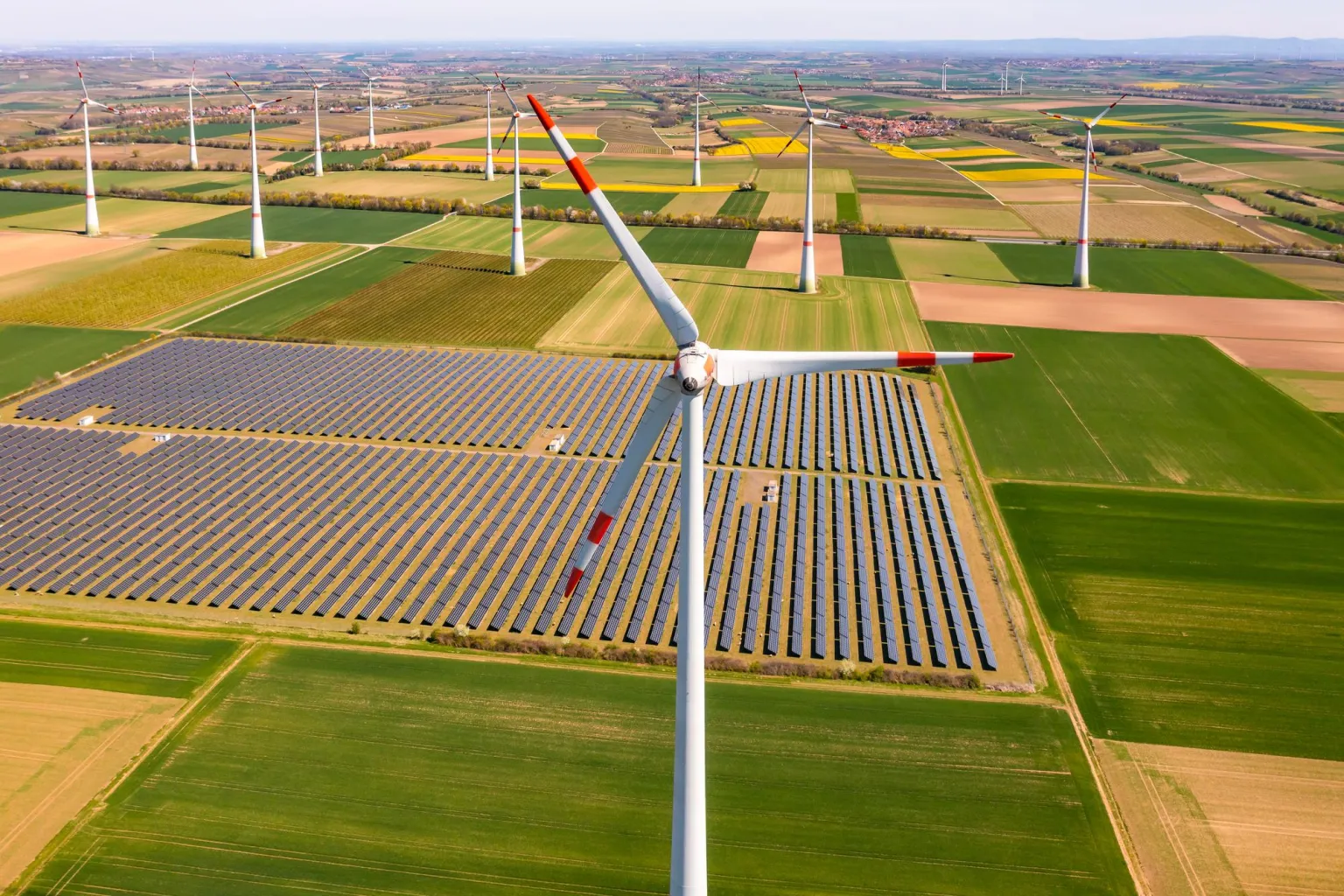
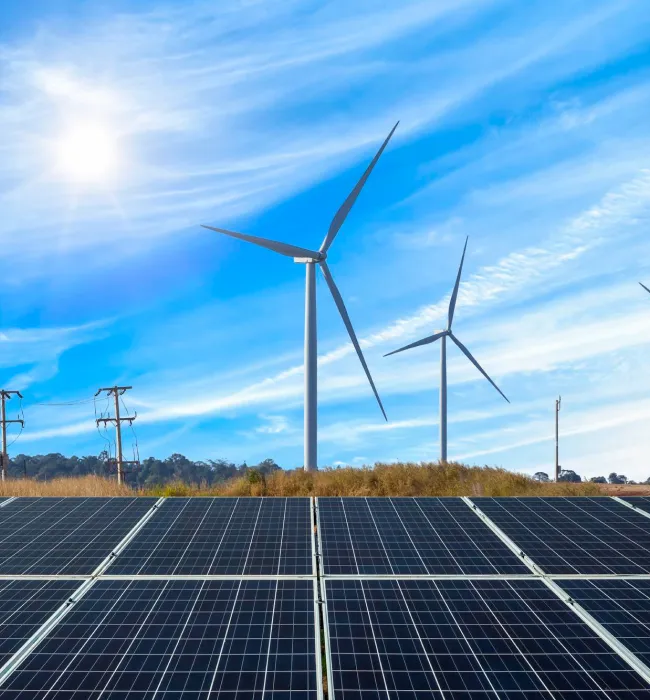
With solar and wind now comprising a significant share of the energy mix, variability in generation has become a key challenge in large-scale renewable integration. Hybrid projects—combining solar and wind at a single site—offer an effective solution by leveraging the complementary nature of their generation profiles: solar peaks during the day, while wind can be stronger at night or during off-peak hours.
This synergy enhances grid stability, significantly improves capacity utilization factors (CUF), and reduces intermittency risks. Additionally, hybridization optimizes infrastructure investments by enabling the shared use of transmission assets, thereby lowering overall project costs.
Looking ahead, hybrid projects coupled with advanced balancing mechanisms—such as demand-side management, flexible gas and hydropower support, smarter grid technologies, electric vehicle integration, and energy storage systems (batteries and pumped hydro)—will further strengthen reliability and accelerate the transition to a sustainable, resilient energy future.

Combining solar and wind reduces variability and strengthens overall grid performance.

Shared transmission assets lower costs and improve project efficiency.

Advanced balancing mechanisms and storage solutions enhance resilience and long-term sustainability.